German Silver vs 925 Sterling Silver: Difference & How to Tell
German silver, also called nickel silver or alpaca, is an alloy of copper, nickel and zinc and contains no silver at all. 925 sterling silver is 92.5% silver with about 7.5% other metal, usually copper. German silver is far cheaper and is used for fashion jewellery and utensils; sterling silver keeps the value of its silver. The 925 mark and a jeweller’s test are how you tell them apart.
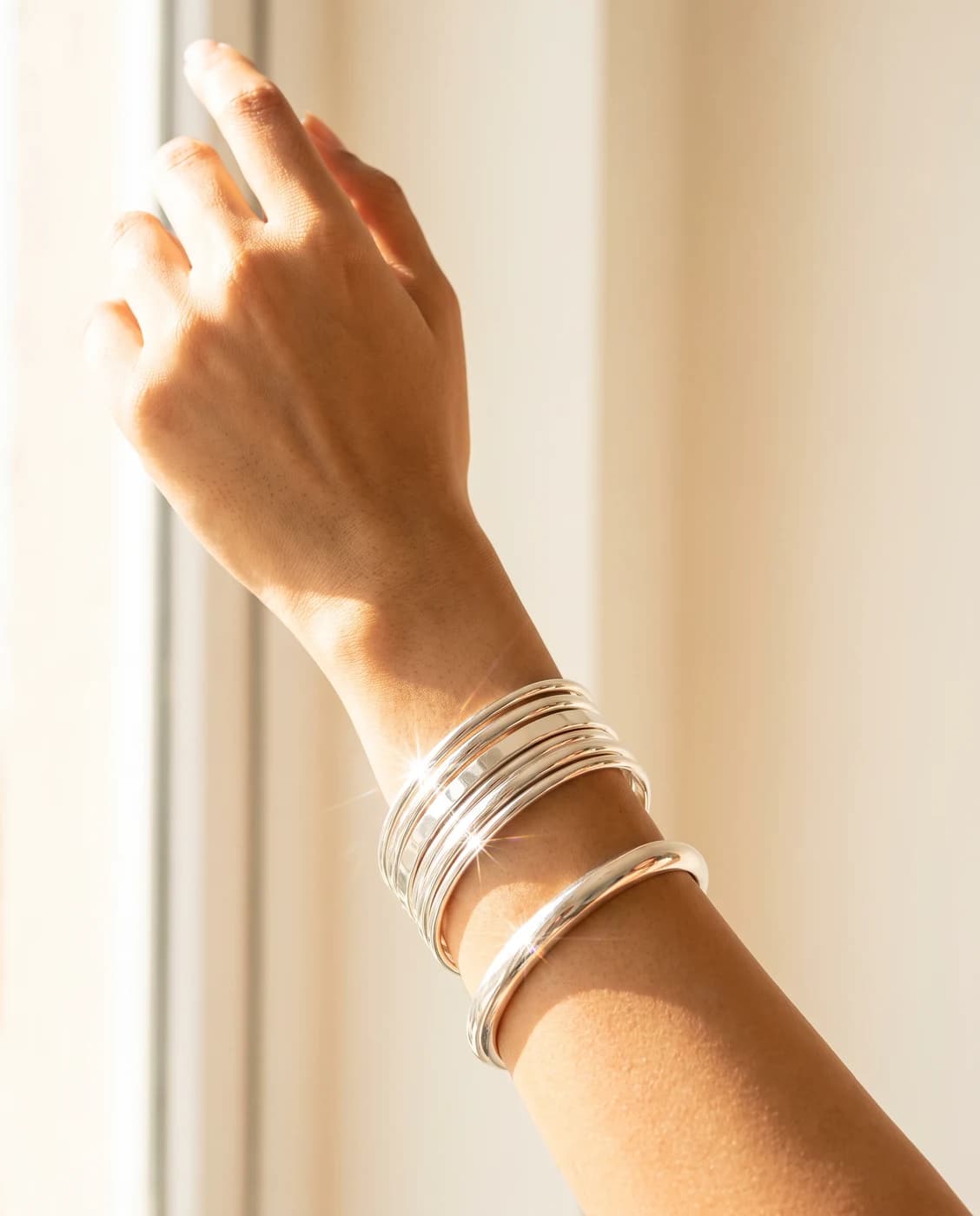
What German silver is
German silver is a base-metal alloy of copper, nickel and zinc. Despite the name, it contains no silver. It is also sold as nickel silver or alpaca. Its silver-grey colour is why it is used for low-cost fashion jewellery, including oxidised and tribal-style pieces, and for utensils and cutlery.
925 sterling silver is different. It is 92.5% pure silver, alloyed with about 7.5% other metal, usually copper, so that it is strong enough for everyday jewellery. The “925” stamp is the purity mark that identifies a piece as sterling silver.
The word “silver” in the name is the main reason buyers confuse the two. German silver is a silver-looking metal, not a silver one, so the answer to “is German silver real silver?” is no.
Both metals are grey-white in photos and in a quick look across a shop counter, so appearance alone cannot settle the question. The mark, a purity certificate and a proper test are what count.
German silver vs 925 sterling silver
| German Silver | 925 Sterling Silver | |
|---|---|---|
| Composition | Copper, nickel and zinc | 92.5% silver with 7.5% other metal, usually copper |
| Contains silver | No | Yes, 92.5% |
| Skin | Nickel can irritate skin for some people | The other metal is usually copper, not nickel |
| Tarnish | Does not tarnish the same way; tends to look yellowish or greyer | Tarnishes with sulphur and moisture; the dark layer wipes off |
| Resale value | Essentially none | Keeps the value of its silver content |
| Typical use | Cheap fashion jewellery, oxidised and tribal-style pieces, utensils | Everyday fine silver jewellery and gifting |
Read the table as a set of trade-offs. German silver wins on price. Sterling silver wins on silver content, resale value and a tarnish that wipes off. Neither is a copy of the other, but only one of them is silver.
How to tell German silver from 925 sterling silver
- 1Look for the 925 mark
Check the clasp, inner band or tag for “925” or “92.5”. A piece with no purity mark cannot be relied on as sterling silver, so do not buy it as silver.
- 2Ask for a certificate
A seller of genuine 925 silver can state the purity in writing. Vague answers such as “silver quality” are a warning sign.
- 3Check the tone
German silver often looks slightly yellowish or greyer than bright sterling silver. Colour alone is not proof, but it is a useful first look.
- 4Get a proper test
A reputable jeweller can run an acid test or an XRF test, which measures the metal’s composition. This is the definitive answer.
| Magnet test | Not useful for this. Silver and German silver are both non-magnetic, so a magnet can rule out steel or iron, but it cannot tell these two apart. |
| Home tests | Ice and smell checks are indicative only. They cannot confirm silver content, so use the 925 mark and a test. |
Price alone proves nothing either way. However, a very low price for a piece sold as silver is a reason to check the mark and ask for a certificate before you buy.
Which should you buy?
German silver is a reasonable choice for an occasional fashion piece if you know it has no silver value and you are happy with its look. Be careful if you have sensitive skin, because its nickel content can cause irritation. If you want jewellery that holds its silver value and is meant to last for years, choose 925 sterling silver.
Oxidised jewellery is where the confusion is most common. anokhi’s oxidised pieces, including the tribal kada, jhumka and payal designs, are 925 sterling silver, not German silver. The dark finish is an oxidised treatment on sterling silver, so the piece contains real silver underneath. anokhi sells only 925 sterling silver.
For care, the steps in our tarnish guide apply to sterling silver. If you are buying a 925 piece to keep it bright, that guide is the place to start.
Frequently asked
Last reviewed: 17 May 2026 · Verified by the anokhi expert panel
Is German silver real silver?
No. German silver is a base-metal alloy of copper, nickel and zinc, and it contains no silver. It is also called nickel silver or alpaca, and it is far cheaper than sterling silver.
What is the difference between German silver and sterling silver?
Sterling silver is 92.5% silver with about 7.5% other metal, usually copper, and it is marked 925. German silver contains copper, nickel and zinc and no silver. Sterling silver keeps the value of its silver content, while German silver has essentially none.
Is German silver bad for your skin?
It can be, for some people. German silver contains nickel, which can irritate the skin of people with nickel sensitivity. The other metal in 925 sterling silver is usually copper, not nickel.
Does German silver tarnish like sterling silver?
Not in the same way. German silver tends to take on a yellowish or greyer tone over time. Sterling silver tarnishes with sulphur and moisture, but that dark layer wipes off and is a sign of real silver.
Can a magnet tell German silver from silver?
No. Both silver and German silver are non-magnetic, so a magnet can only rule out steel or iron. Use the 925 mark, a purity certificate, or a jeweller’s acid or XRF test instead.
Is oxidised German silver the same as oxidised 925 silver?
No. Oxidised German silver is a base-metal alloy with a dark finish and no silver content. anokhi’s oxidised pieces are 925 sterling silver, which is 92.5% silver.
How can I be sure a piece is real sterling silver?
Look for a 925 mark, ask the seller for a certificate of purity, and where in doubt, have a reputable jeweller run an acid or XRF test. An XRF reading gives a definitive answer on composition.
Reviewed by the anokhi silver desk
Written and reviewed by anokhi's in-house silversmiths. Every piece we make is 925 sterling silver, BIS hallmarked and handcrafted in Jaipur. Last updated 11 October 2026.