How to Check if Silver Is Real: 925 Hallmark, the HUID Myth & Home Tests
Real sterling silver is 92.5% pure and carries a BIS hallmark with a "925" purity mark. One point most sellers get wrong: BIS hallmarking of silver is voluntary in India and does not carry a HUID — the HUID applies to gold. So check the 925 mark, ask for a purity certificate, and use quick home tests: silver is not magnetic, melts ice fast and has no metallic smell.
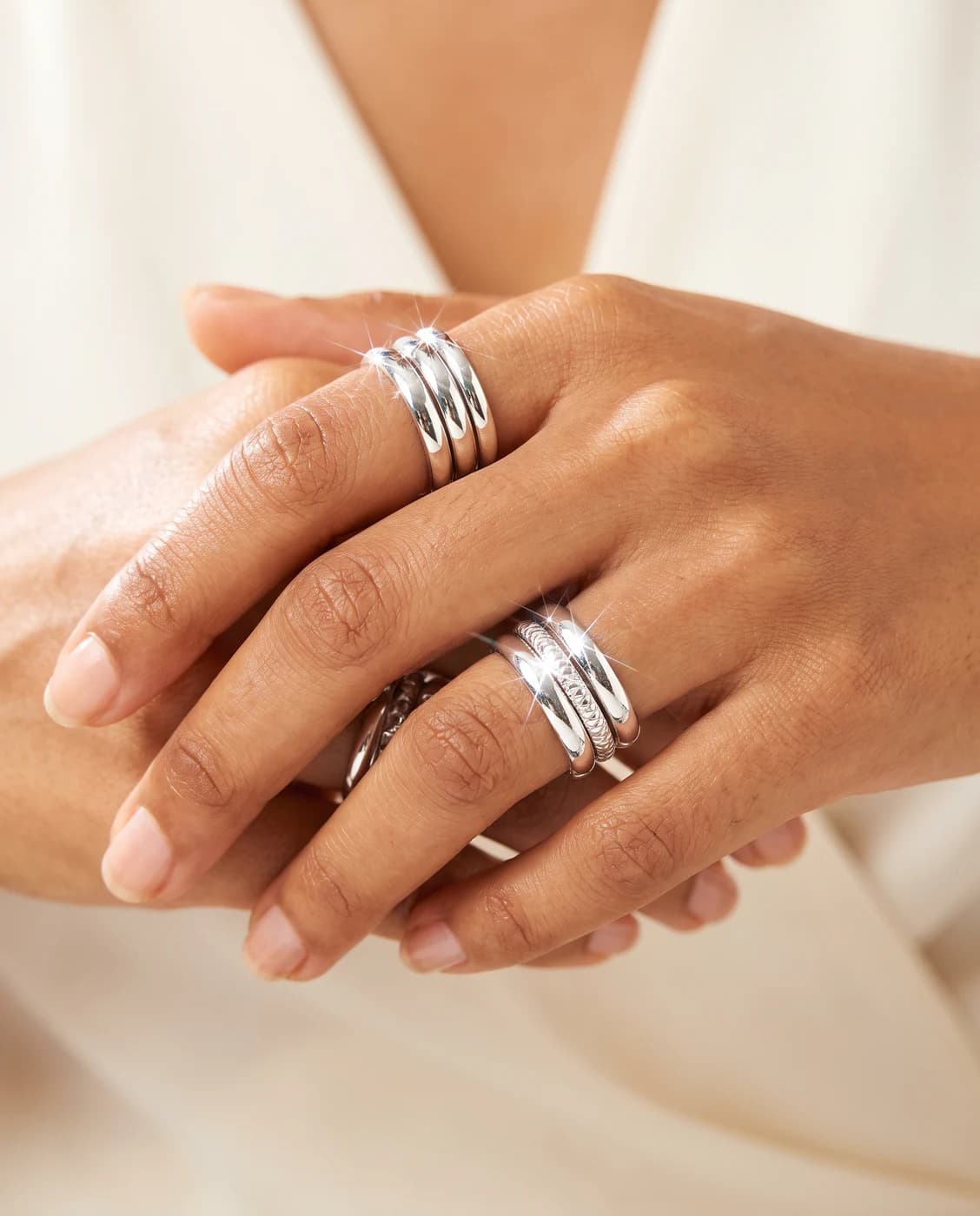
The 925 hallmark — and the HUID myth
The most reliable way to verify silver is the BIS hallmark. On genuine hallmarked sterling silver you will find a "925" purity/fineness mark (meaning 92.5% pure) alongside the BIS logo and the assaying centre and jeweller marks. Important: hallmarking of silver is voluntary in India (standard IS 2112), unlike gold, where it is mandatory.
This is where most listings mislead buyers: the 6-character HUID (Hallmark Unique Identification) belongs to the mandatory GOLD hallmarking scheme. Silver jewellery does not carry a HUID, so a seller promising "925 with HUID" either does not know the rules or is overstating. For silver, the 925 mark plus a certificate of purity is what you should ask for.
Fashion or "German silver" jewellery carries no 925 mark at all — it is a nickel/brass alloy with no silver content, even though it looks similar and is often sold as "silver".
Step-by-step: check if silver is real
- 1Find the stamp
Look for "925", "92.5" or a BIS hallmark on the clasp, inner band or a small tag.
- 2Ignore HUID promises
HUID is a gold-only identifier. For silver, confirm the 925 mark and that the seller states the purity.
- 3Ask for the certificate
A trustworthy seller ships a certificate of authenticity stating the purity.
- 4Run a quick home test
Use the magnet, ice or smell test below to sanity-check before you buy or gift.
Quick at-home tests for silver
| Magnet test | Real silver is not magnetic. Strong attraction to a magnet means it is not sterling silver. |
| Ice test | Silver has the highest thermal conductivity of any metal — an ice cube placed on real silver melts noticeably faster. |
| Smell test | Genuine silver has no strong metallic odour. A coin-like smell suggests a copper/nickel alloy. |
| Cloth test | Rub with a soft white cloth; real silver leaves a faint black mark (oxidation), imitations usually do not. |
Home tests are indicative, not proof — the 925 hallmark plus a purity certificate remains the definitive check. Every anokhi piece is 925 sterling silver, BIS hallmarked for purity, and ships with a certificate of authenticity.
Frequently asked
Last reviewed: 17 May 2026 · Verified by the anokhi expert panel
How can I tell if silver is real at home?
Real silver is non-magnetic, melts ice quickly (it has the highest thermal conductivity of any metal), and has no strong metallic smell. The definitive check is a BIS 925 hallmark plus a certificate of purity from the seller.
Does silver jewellery have a HUID?
No. HUID (Hallmark Unique Identification) is the 6-character code used in India's mandatory GOLD hallmarking scheme. Hallmarking of silver is voluntary (IS 2112) and silver does not carry a HUID — for silver, look for the BIS logo with the 925 purity mark and ask for a certificate of purity.
Does real silver stick to a magnet?
No. Sterling silver is not magnetic, so if a piece is strongly attracted to a magnet it is not real silver.
Is 925 the same as pure silver?
925 means sterling silver — 92.5% pure silver alloyed with 7.5% other metals for strength. Pure (99.9%) silver is too soft for everyday jewellery, so 925 is the fine-jewellery standard.
Reviewed by the anokhi silver desk
Written and reviewed by anokhi's in-house silversmiths. Every piece we make is 925 sterling silver, BIS hallmarked and handcrafted in Jaipur. Last updated 25 June 2026.