Silver Kamarband & Waist Chains
925 kamarband, waist & belly chains, hathphool and bajuband — sized in inches
A waist chain (kamarband) is a chain worn around the waist or hips, traditionally under or over a saree; the hathphool is a linked hand harness and the bajuband an upper-arm band. anokhi makes all three in certified 925 sterling silver — minimal single-strand hip chains, oxidised ghungroo kamarband, layered belly chains, hathphool, baby waist chains (molathadu) and a men's aranjanam. Each is BIS hallmarked for 925 purity, anti-tarnish finished and sized in inches. One thing we do not make: piercing jewellery. Sterling silver is not suitable for a piercing fistula, so nothing here is sold as a navel or body-piercing ornament.
How to choose a silver kamarband or waist chain
Kamarband, kardhani, molathadu: what each one is
A kamarband (also kardhani or kamar chain) is the waist ornament worn over a saree or lehenga, usually the most decorative piece. A belly or hip chain is a lighter chain worn lower, on the skin. A molathadu is the thin waist chain traditionally tied on babies and worn by many men through life; it is araignan kodi in Tamil, aranjanam in Malayalam and udidhara in Kannada. The heavy South-Indian bridal belt is the oddiyanam or vaddanam.
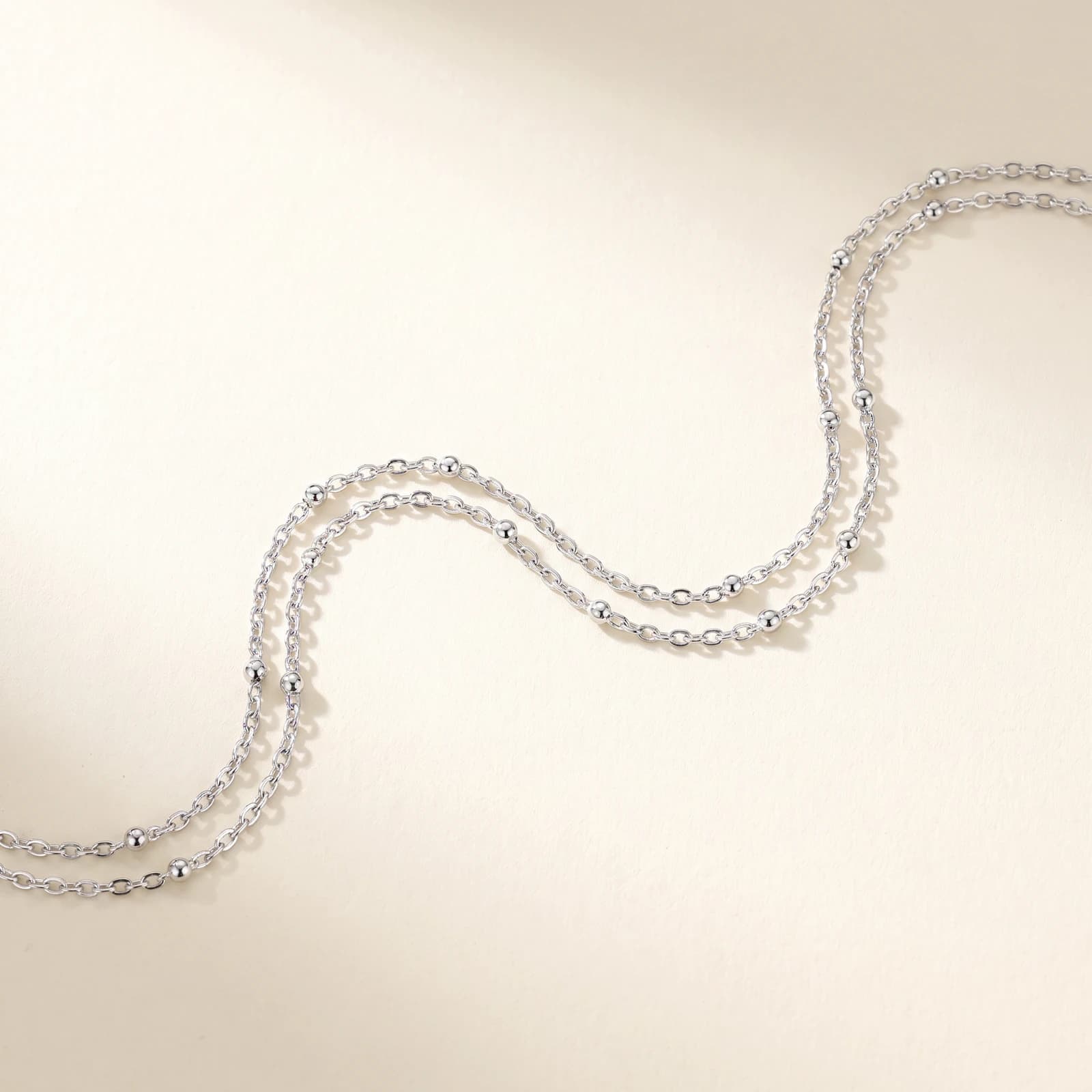
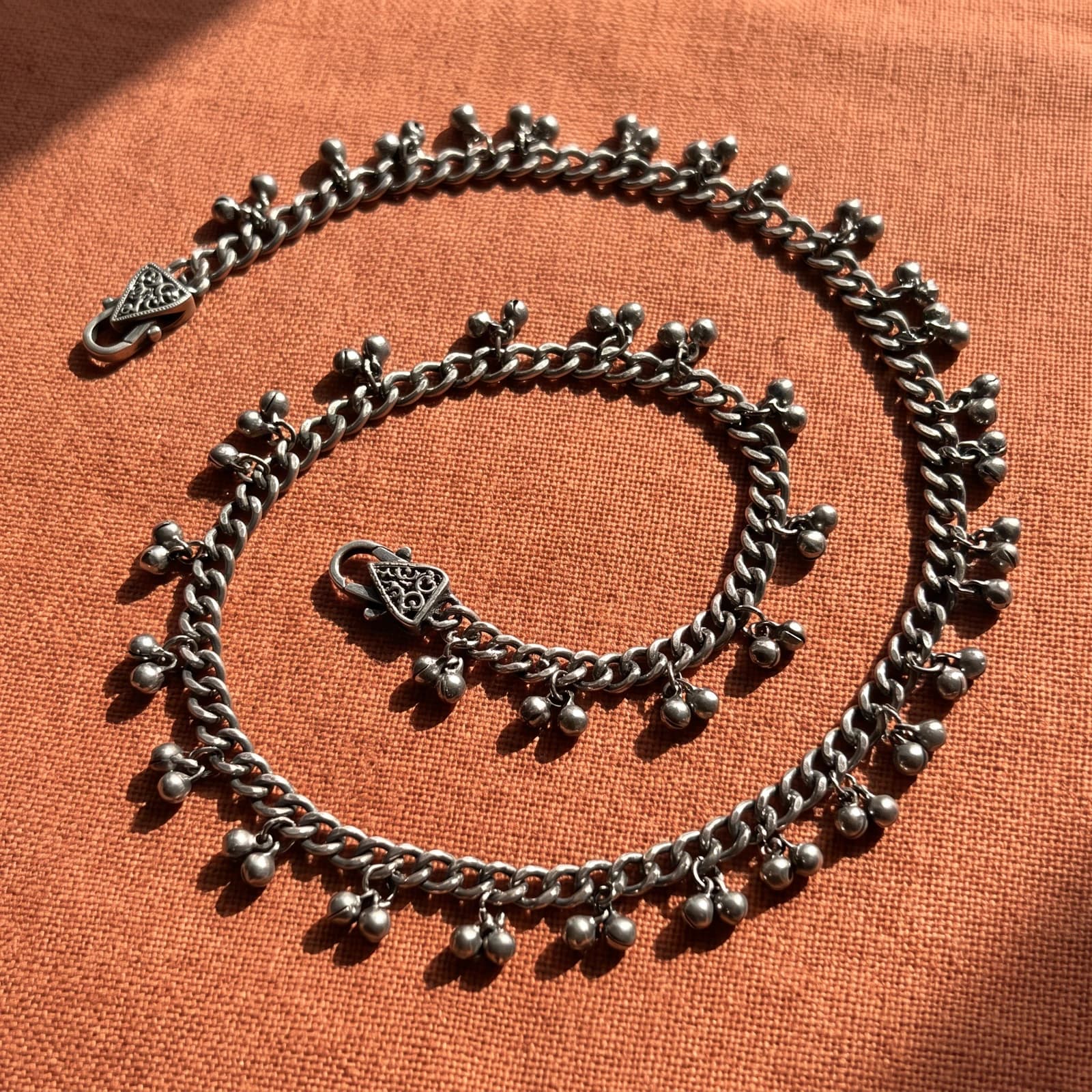
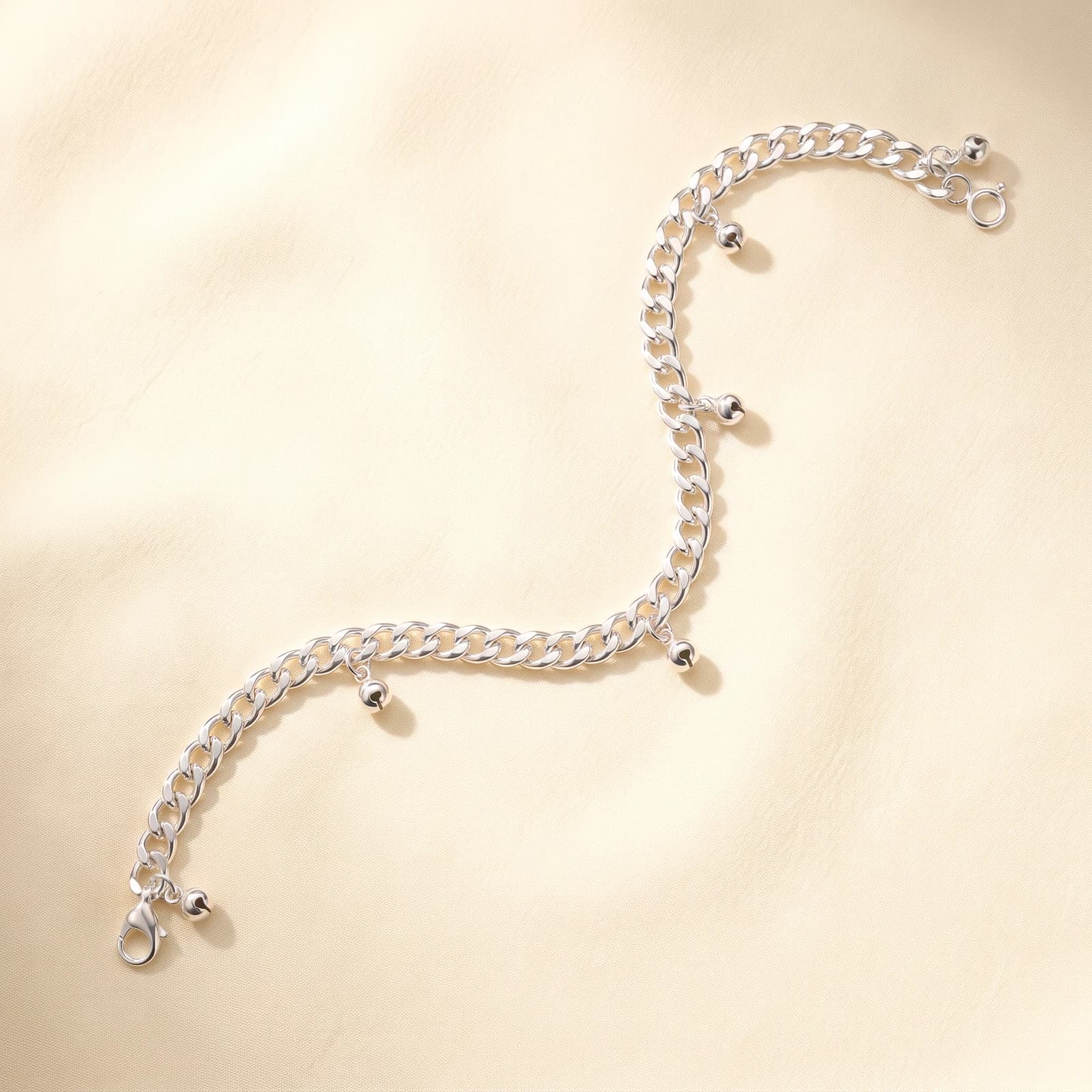
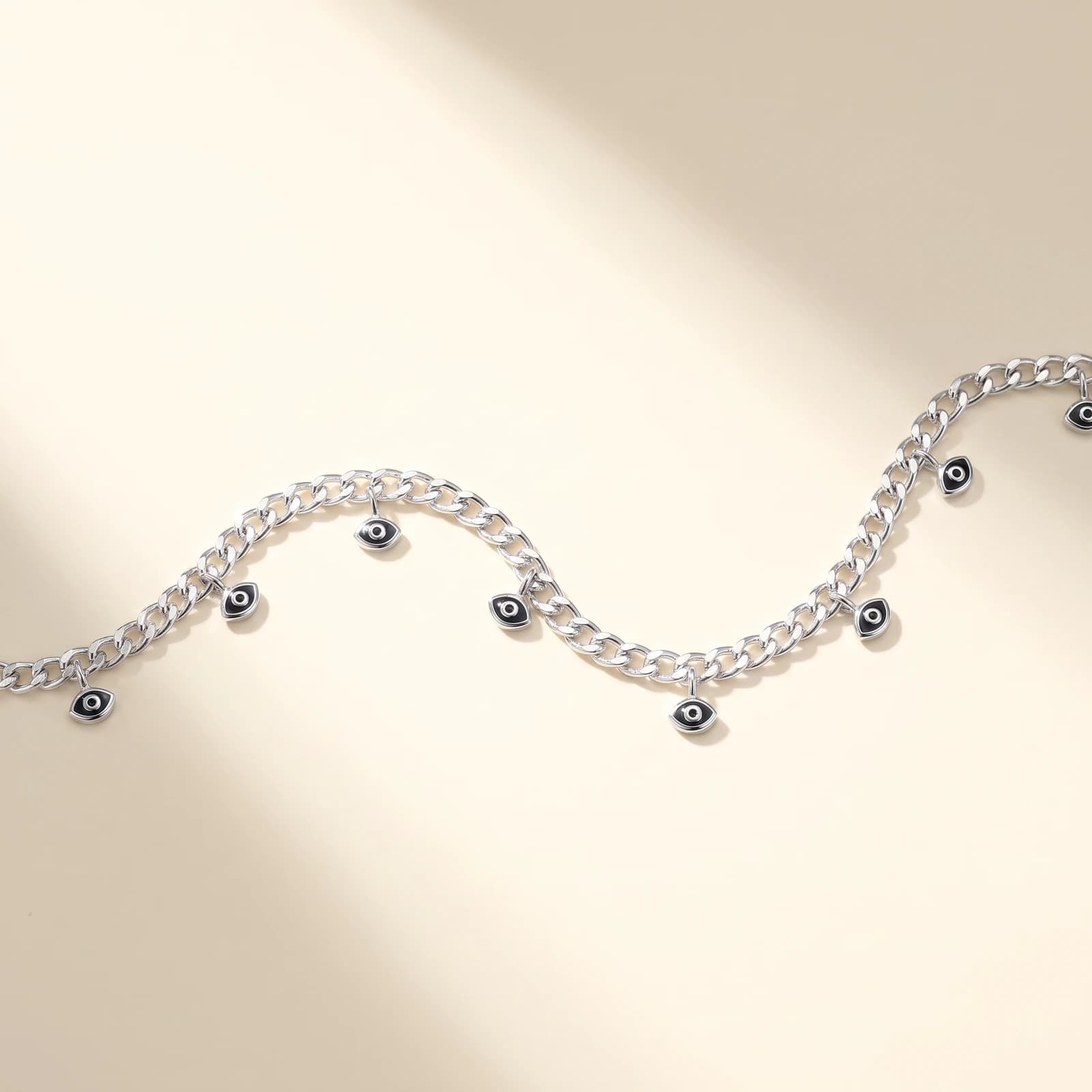
We make all of these in 925 sterling silver: an oxidised kamarband with a ghungroo fringe, a double-layer belly chain, a single bead hip chain, a minimal single-strand waist chain, a baby molathadu, a kids' waist chain with a nazariya charm and a men's aranjanam.
Silver kamarband designs: bridal or simple?
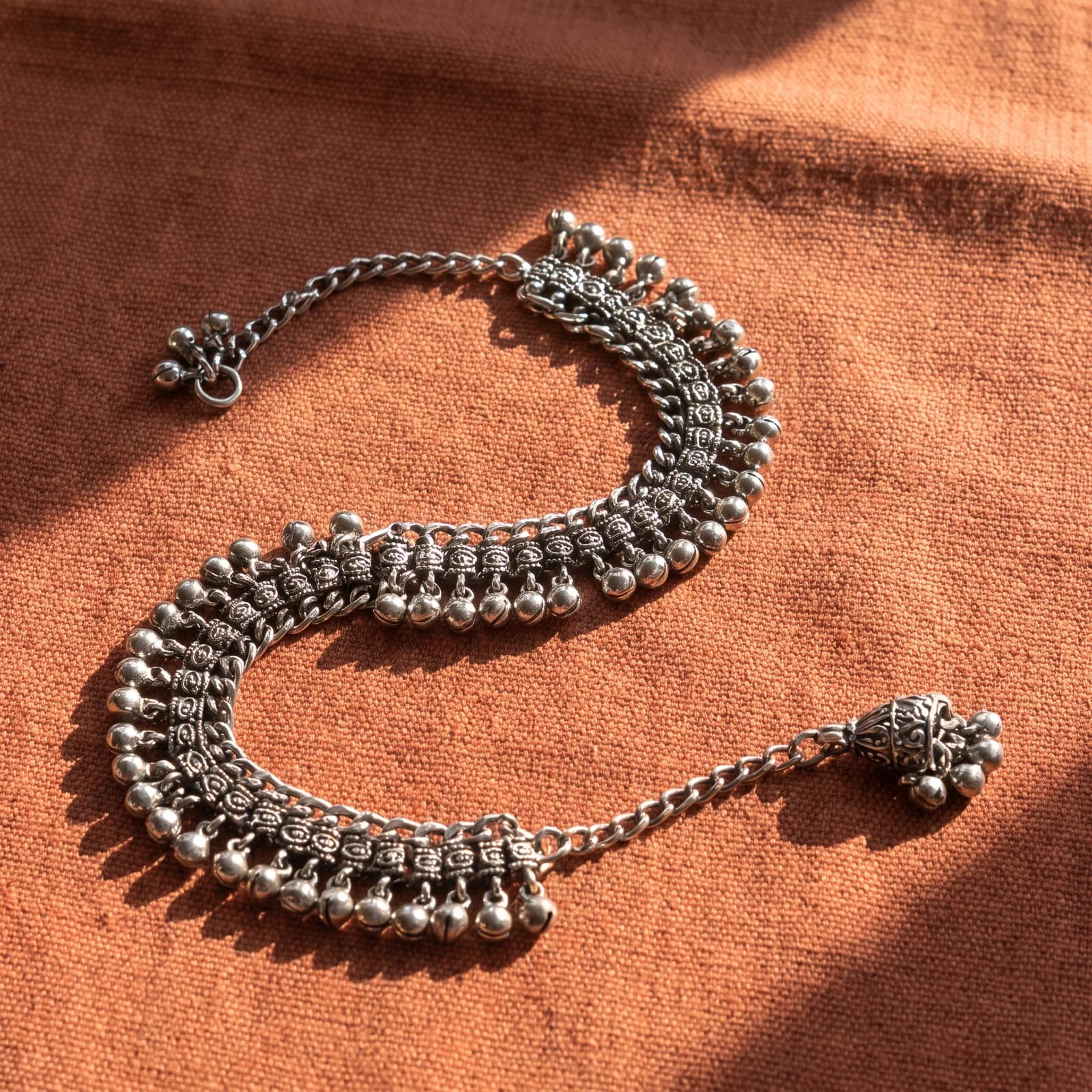
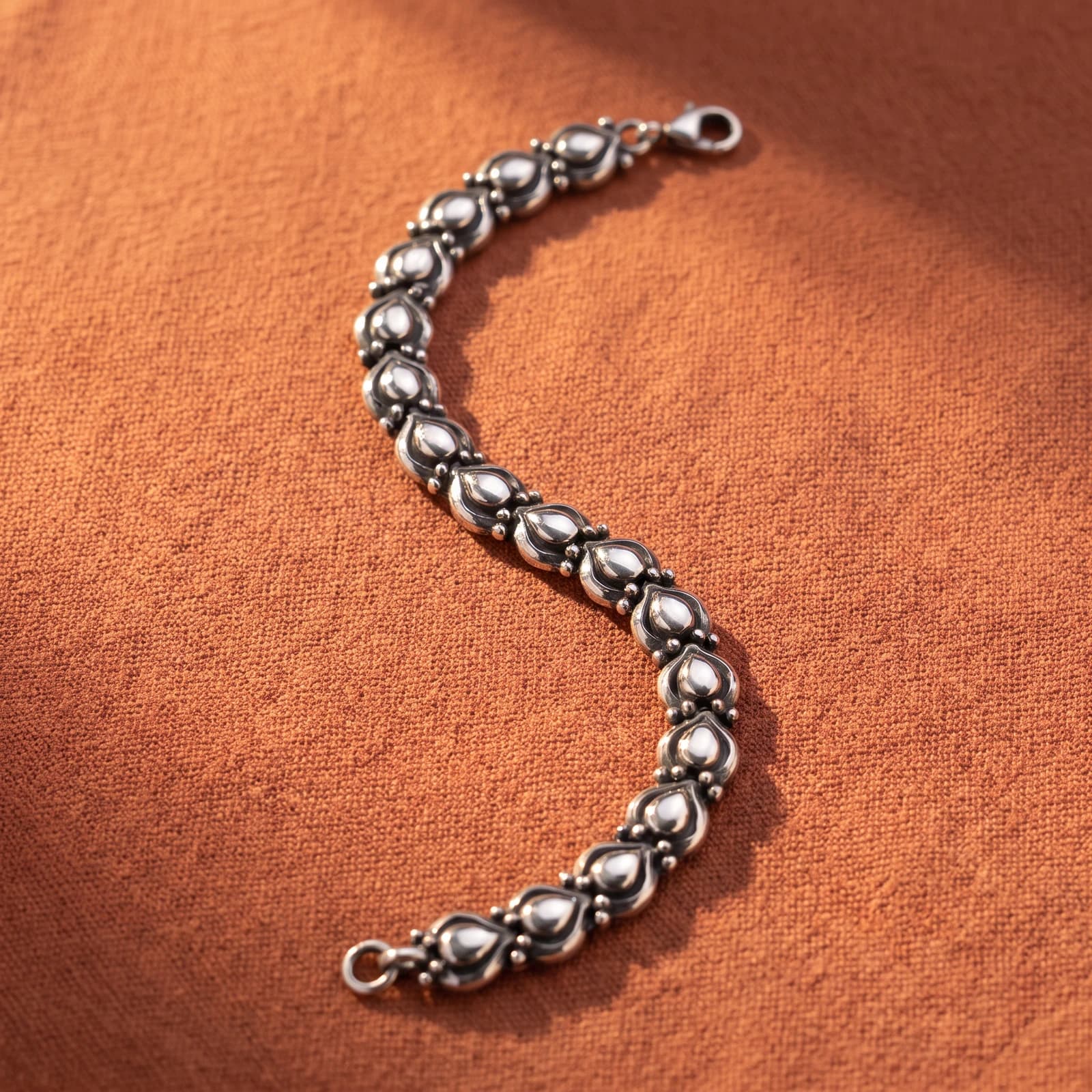
For a wedding or a festival, the oxidised kamarband is the statement piece: a decorative centre panel with a fringe of small ghungroo bells along the lower edge, adjustable from 30 to 36 inches with multiple hooks so it sits at the waist over a saree or lehenga.
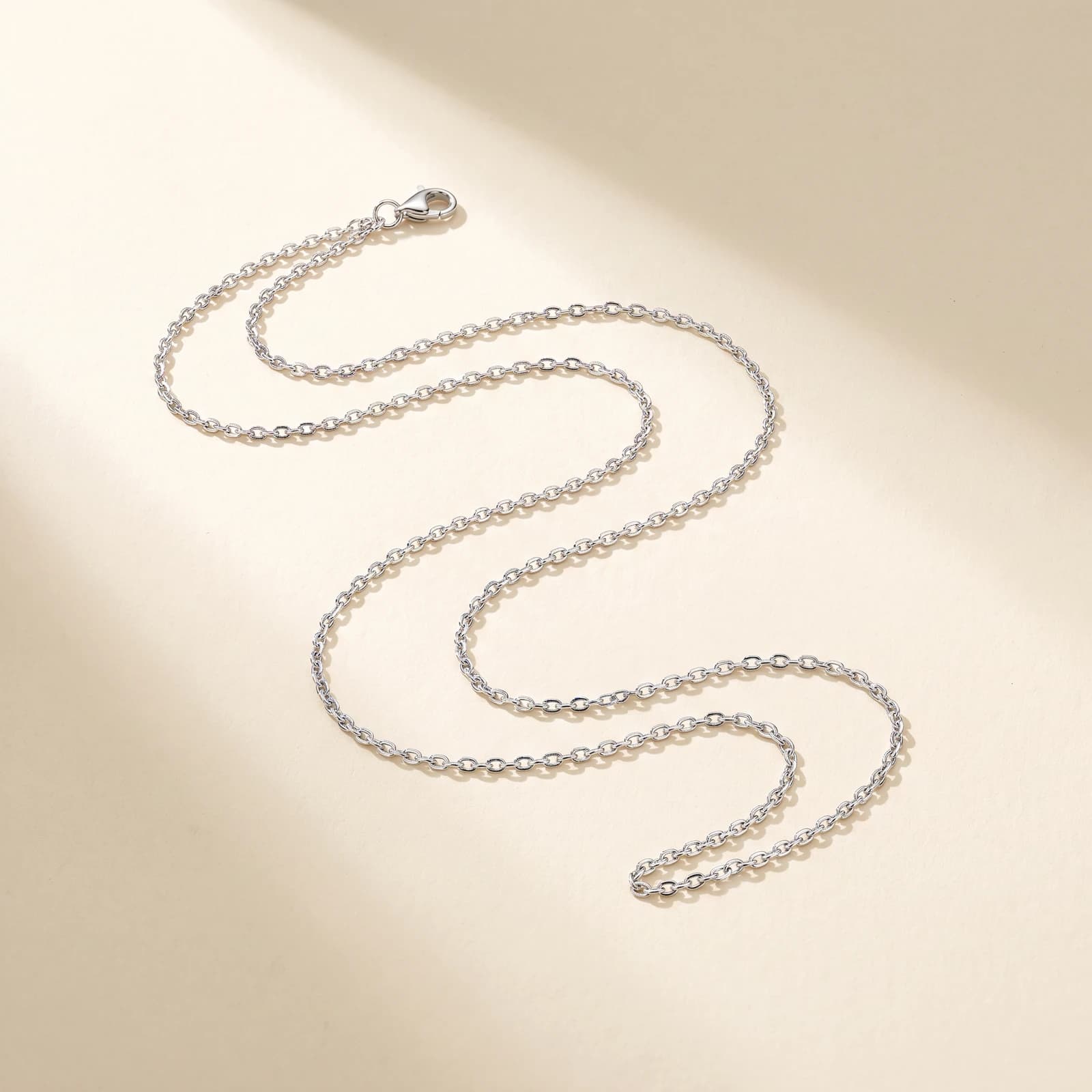
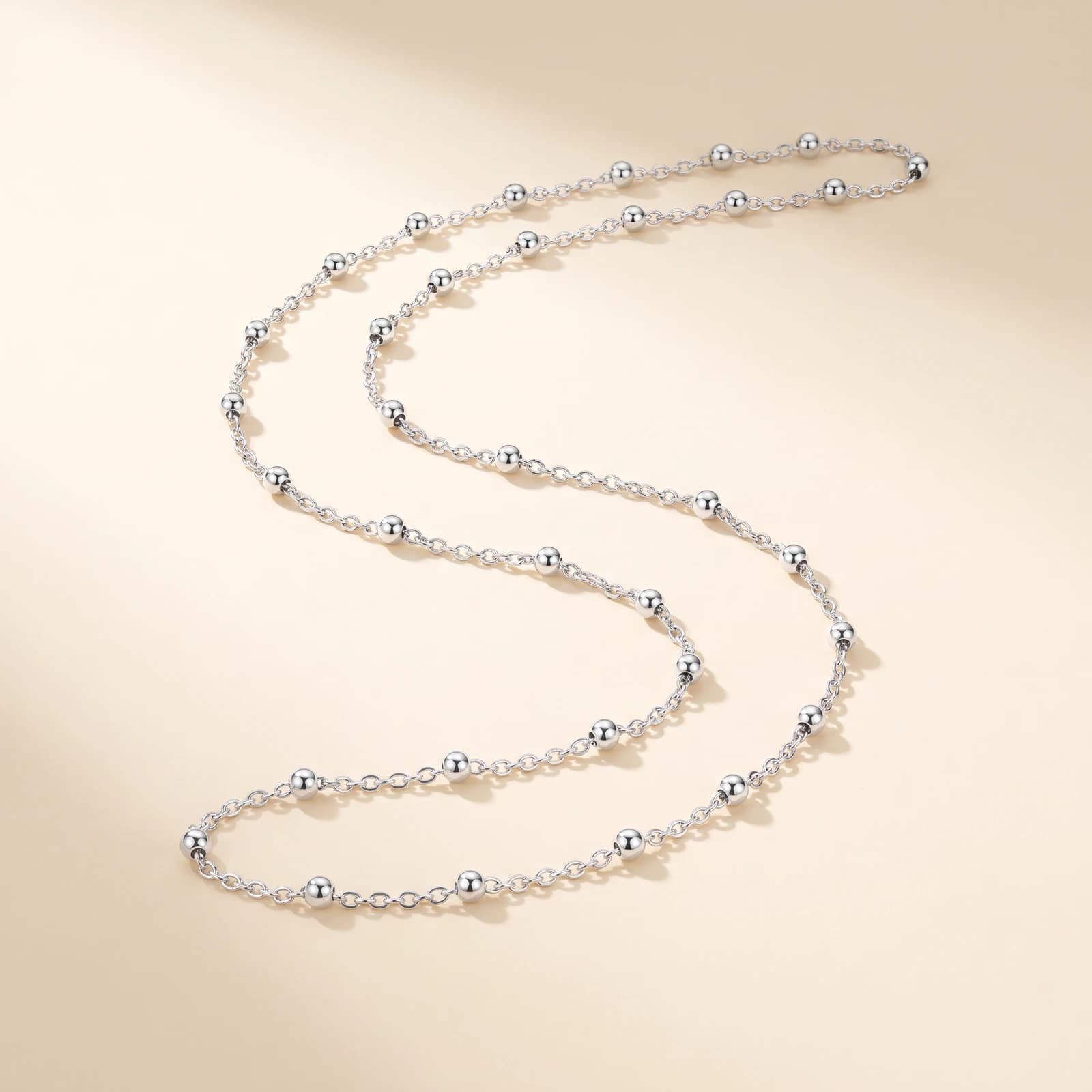
For everyday or for a lighter look, choose a chain. The double-layer belly chain pairs a cable strand with a fine bead strand and adjusts from 30 to 36 inches; the bead hip chain is a single strand from 30 to 38 inches; the minimal waist chain adjusts from 28 to 34 inches.
What size waist chain do you need?
Measure with a tape where you want the chain to sit: the natural waist for a saree, or lower across the hip bones for a belly chain. Add about an inch of ease, and up to two more if you will wear it over a petticoat rather than on skin. Every design here adjusts across at least four inches, and the range is on each listing.
Silver molathadu for babies and kids
Our baby molathadu has smooth rounded links and a screw clasp that cannot pop open, in 16, 18 and 20 inch sizes. For toddlers and young children, the kids' waist chain comes in 20, 22 and 24 inches with a growth extender and a small nazariya charm. Fasten with two fingers of ease, check the fit every few months, and move up a size rather than stretching the chain. A child should wear a waist chain only while an adult can see it.
Silver aranjanam for men
The men's aranjanam is a plain, flat-lying 925 silver waist chain worn under clothing, adjustable from 32 to 38 inches with a screw clasp that stays shut. It is made to be left on, so it is solid silver rather than plated steel.
Hathphool and bajuband
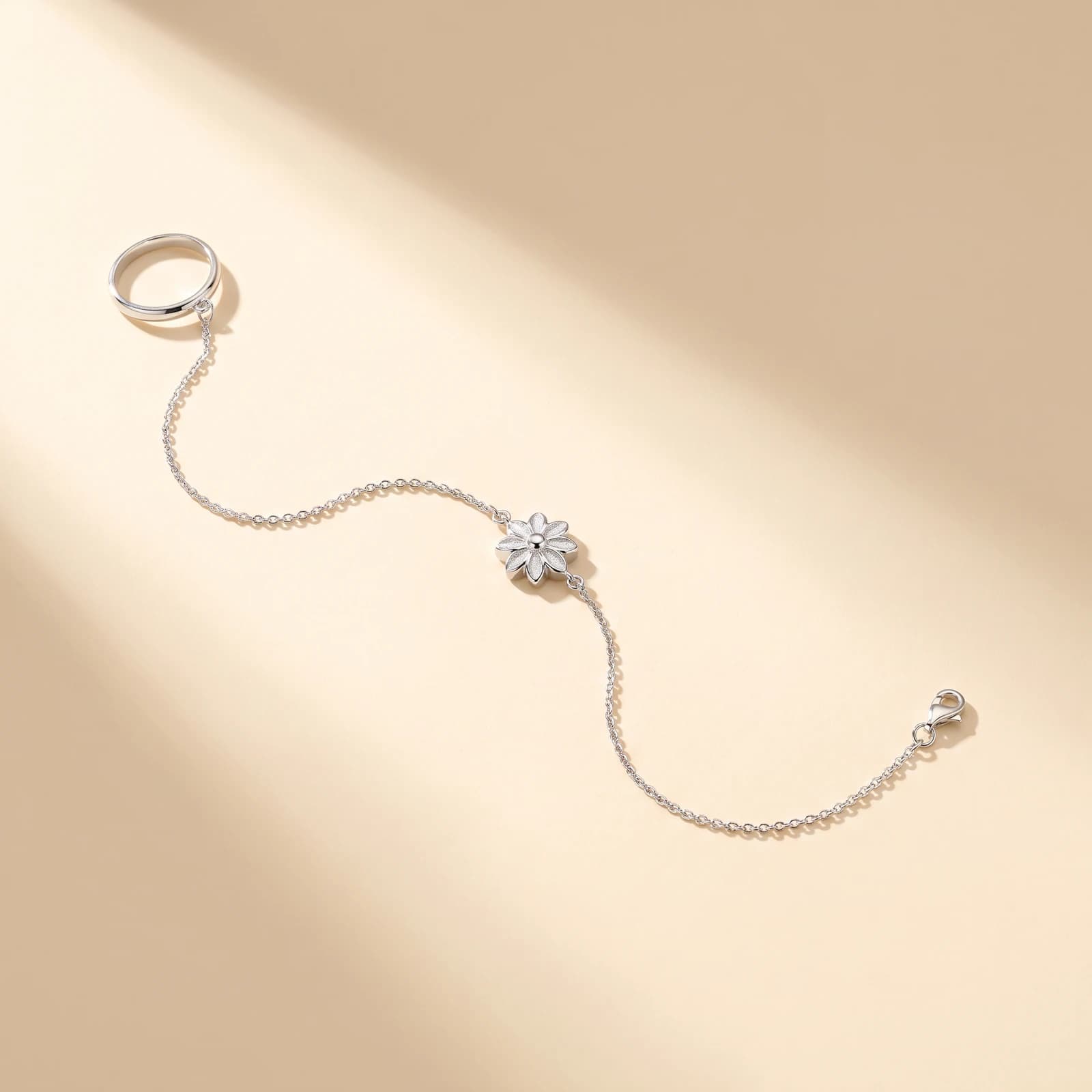
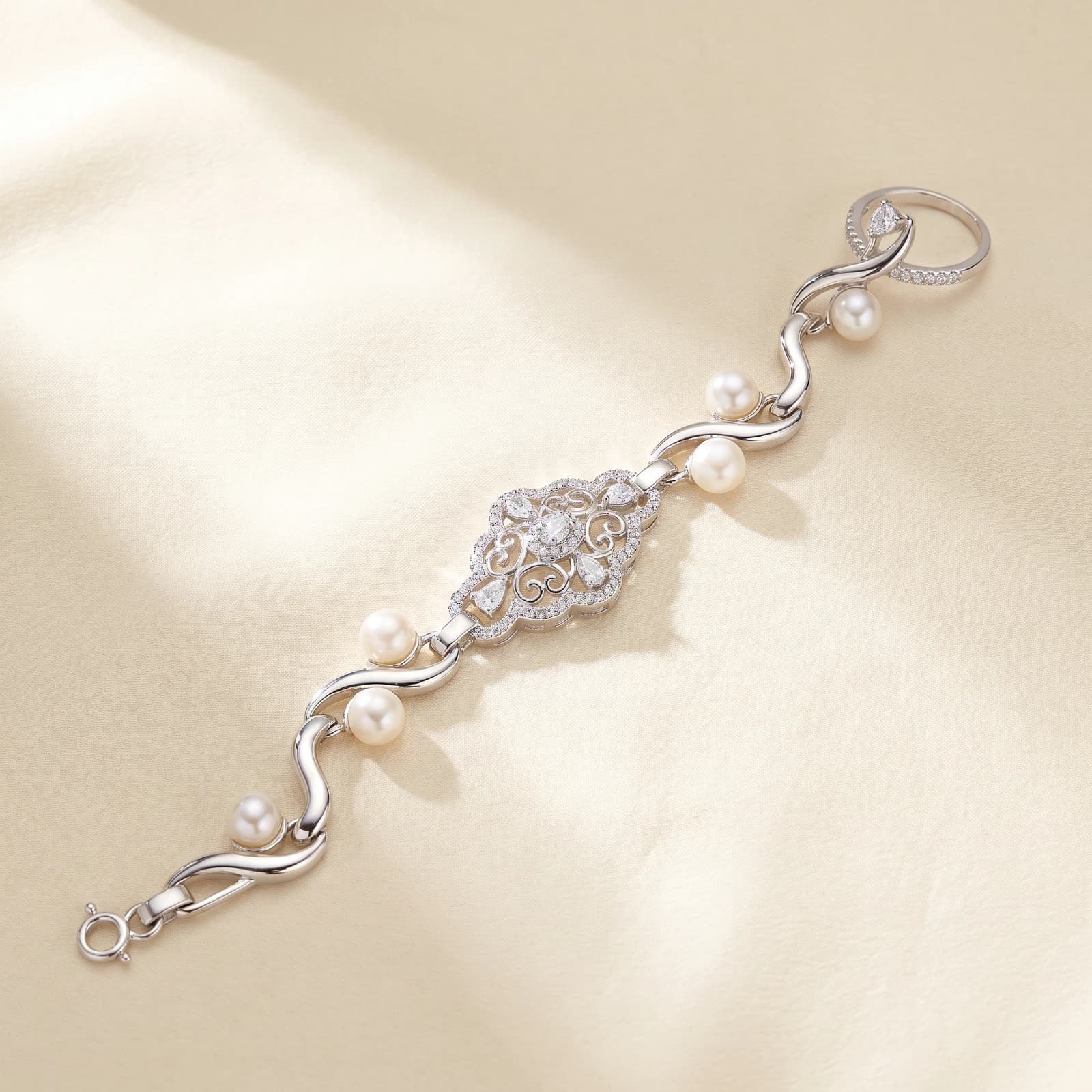
This page also carries two other body ornaments. A hathphool joins a bracelet to a finger ring with fine chains across the back of the hand; ours come as a minimal two-chain style, a pearl-and-CZ style and an oxidised bridal style with ghungroo, each with an adjustable ring and a 7-inch bracelet with an extender. The bajuband is an upper-arm band on an adjustable tie cord that fits roughly 9 to 13 inches.
Price, purity and care
Waist chains run from ₹2,898 for the baby molathadu to ₹11,298 for the oxidised ghungroo kamarband. Every piece is 925 sterling silver, BIS hallmarked, and ships with a certificate of authenticity. We do not make piercing jewellery: sterling silver is not suitable for a navel or body piercing.
A waist chain meets sweat and soap every day, so take it off before bathing where you can, dry it after, and store it flat. Do not polish the dark recesses of the oxidised kamarband; wipe only the raised areas.
About Silver Waist Chains & Kamarband
What is a silver waist chain called in India?
Kamarband or kardhani in Hindi, araignan kodi in Tamil, molathadu in Telugu, aranjanam in Malayalam, udidhara in Kannada, oddiyanam or vaddanam for the heavier South-Indian bridal belt, and hip chain or belly chain in English. They describe the same ornament worn at the waist or hip — anokhi makes them in certified 925 sterling silver.
How do I choose the right waist chain size?
Measure with a tape where you actually want it to sit — the natural waist for a saree, or lower across the hip bones — and add about an inch of ease. Note whether you will wear it on skin or over a petticoat, as that adds up to two inches. Most anokhi waist chains adjust across at least four inches, and the exact range is on every listing.
Can a silver waist chain be worn every day?
Yes. The minimal single-strand and bead hip chains are built light to be worn under clothing daily. The heavier oxidised kamarband with ghungroo bells is an occasion piece for sarees and lehengas — comfortable for an evening, not for a desk shift.
What does a 925 silver waist chain cost?
Bead hip chains start at ₹5,198 and the minimal single-strand waist chain is ₹6,598; the layered belly chain is ₹8,498 and the heavier oxidised kamarband with ghungroo ₹11,298.
Is a silver waist chain safe for a baby?
Yes — a 925 sterling silver molathadu (araignan kodi, aranjanam) is a traditional first ornament for a baby across South India. Ours use smooth rounded links with no sharp edges and a secure screw clasp. Fasten with two fingers of ease, check the fit every few months as the baby grows, and move up a size rather than stretching the chain.